



Контакты
Стационарная связь
+1(832)591-8159
Мобильная связь
+1(832)591-8159
Электронная почта
Сайт компании
Данные
Обслуживающий банк
Bank of America
Контактное лицо
ALEX
Фактический адрес
8825 Solon Road E-8, Houston, TX, USA, Houston, Texas (TX), United States
Юридический адрес
8825 Solon Road E-8, Houston, TX, USA, Houston, Texas (TX), United States
Мы на связи круглосуточно!
- Inadequate Cooling: The refrigerator or freezer isn't reaching or maintaining the set temperature. This is one of the most critical issues and can lead to food spoilage.
- Overcooling or Freezing (in Refrigerators): Food items that should be refrigerated are freezing.
- Temperature Fluctuations: The temperature inside the unit rises and falls inconsistently.
- Warm Spots: Certain areas inside the unit are warmer than others, indicating poor air circulation.
- Excessive Frost or Ice on Evaporator Coils: This can reduce airflow and insulation, making the unit work harder and less efficiently.
- Ice Buildup Inside the Fridge/Freezer: Indicates warm, moist air is entering the unit and freezing.
- Blocked Vents: Ice or food items obstructing the air vents inside the unit, leading to uneven cooling.
- Water Leaks: Can be caused by a blocked defrost drain, a damaged door, or a problem with the water supply line (for units with ice makers or water dispensers).
- Refrigerant Leaks: A serious issue that will cause the unit to lose cooling capacity. Often accompanied by a hissing sound or a noticeable lack of cold air.
- Unusual or Loud Noises: Rattling, grinding, buzzing, or hissing sounds can indicate problems with the compressor, fans (evaporator or condenser), or motors.
- Excessive Vibration: Can point to a loose component or a problem with the compressor.
- Compressor Not Running: The compressor fails to turn on, resulting in no cooling.
- Compressor Short Cycling: The compressor turns on and off too frequently, indicating a potential issue like a refrigerant leak or overheating.
- Overheating Compressor: The compressor motor becomes excessively hot.
- Inefficient Compressor: The compressor is running but not compressing refrigerant effectively, leading to poor cooling.
- Evaporator Fan Malfunction: The fan that circulates cold air inside the unit isn't working, leading to uneven cooling or no cooling.
- Condenser Fan Malfunction: The fan that helps dissipate heat from the condenser coils isn't working, causing the compressor to overheat and the unit to cool poorly.
- Blocked Fans: Obstructions preventing the fan blades from spinning freely.
- Damaged or Worn Door Gaskets (Seals): Allow warm, moist air to enter the unit, leading to condensation, ice buildup, and the unit working harder.
- Misaligned or Damaged Doors: Prevent a proper seal, similar to faulty gaskets.
- Doors Not Closing Properly: Can be due to obstructions, damaged hinges, or misalignment.
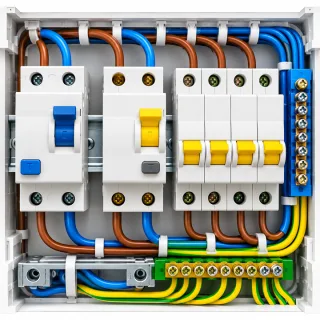
- Unit Not Powering On: Could be a tripped circuit breaker, blown fuse, or a problem with the power cord or outlet.
- Loose Wiring: Can cause intermittent problems or complete failure.
- Faulty Thermostat: Prevents the unit from accurately sensing and regulating temperature.
- Non-Responsive Controller: Issues with the electronic control board.
- Blocked Defrost Drain: Prevents melted frost from draining properly, leading to ice buildup and potential leaks.
- Full or Misaligned Drip Pan: Can cause water to overflow.
- Dirty Condenser Coils: Restrict airflow and reduce the unit's ability to dissipate heat, leading to inefficient cooling and increased energy consumption.
- Refrigerant Leaks: As mentioned earlier, this is a critical issue affecting cooling performance.
- Improper Installation: The unit wasn't installed level or with adequate ventilation.
- Overloading: Packing too much food into the unit restricts airflow and reduces cooling efficiency.
- Frequent or Prolonged Door Openings: Allow warm air to enter, making the unit work harder.